
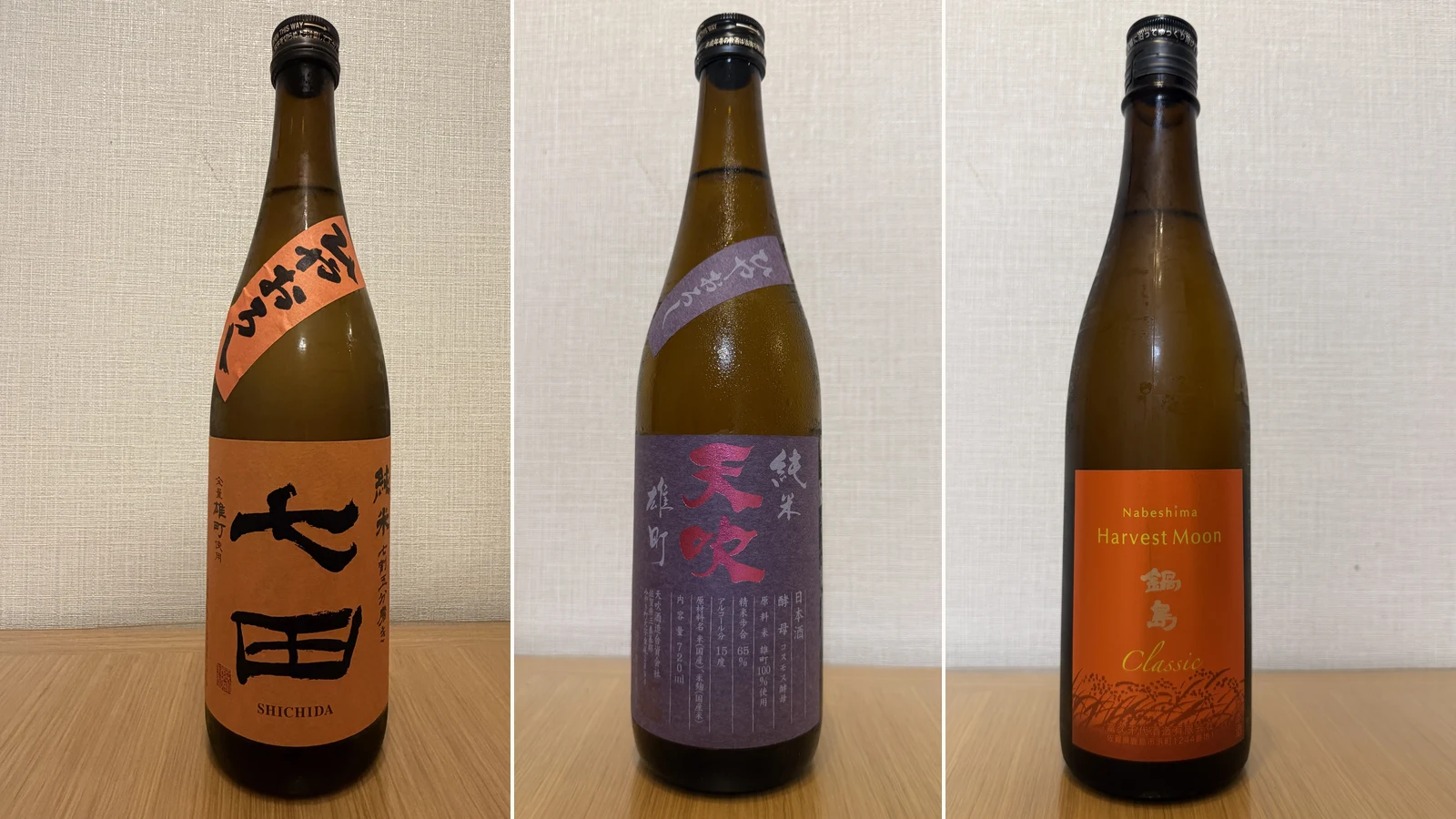
What Is Hiyaoroshi? A Guide to Japan's Autumn Sake
Oct 7, 2026
Hiyaoroshi is sake rested through summer and released in autumn. Learn how it is made, how it differs from nama sake and akiagari, and what real bottles taste like.
Getting started with sake: types, temperatures, and how to buy well wherever you live.
A Japanese sake label carries a lot of information, and almost none of it is explained on the bottle. Terms like muroka, nama, genshu and the Sake Meter Value describe real, tastable differences — but they are usually translated into English as bare definitions, which tells you what a word means without telling you what it does to the sake in your glass.
These guides work the other way round. Each one starts from bottles I have actually drunk here in Japan, then works back to the term, so you finish knowing what to expect in the glass rather than just what the word translates to. Where a number is involved, I show where it holds up and where it misleads.
They are written for someone standing in front of a shelf, or reading an importer's product page, trying to decide whether a bottle is for them. If you want a sense of how hard a particular bottle is to approach as a newcomer, I score that separately — see how I score approachability.
Oct 7, 2026
Hiyaoroshi is sake rested through summer and released in autumn. Learn how it is made, how it differs from nama sake and akiagari, and what real bottles taste like.
Aug 28, 2026
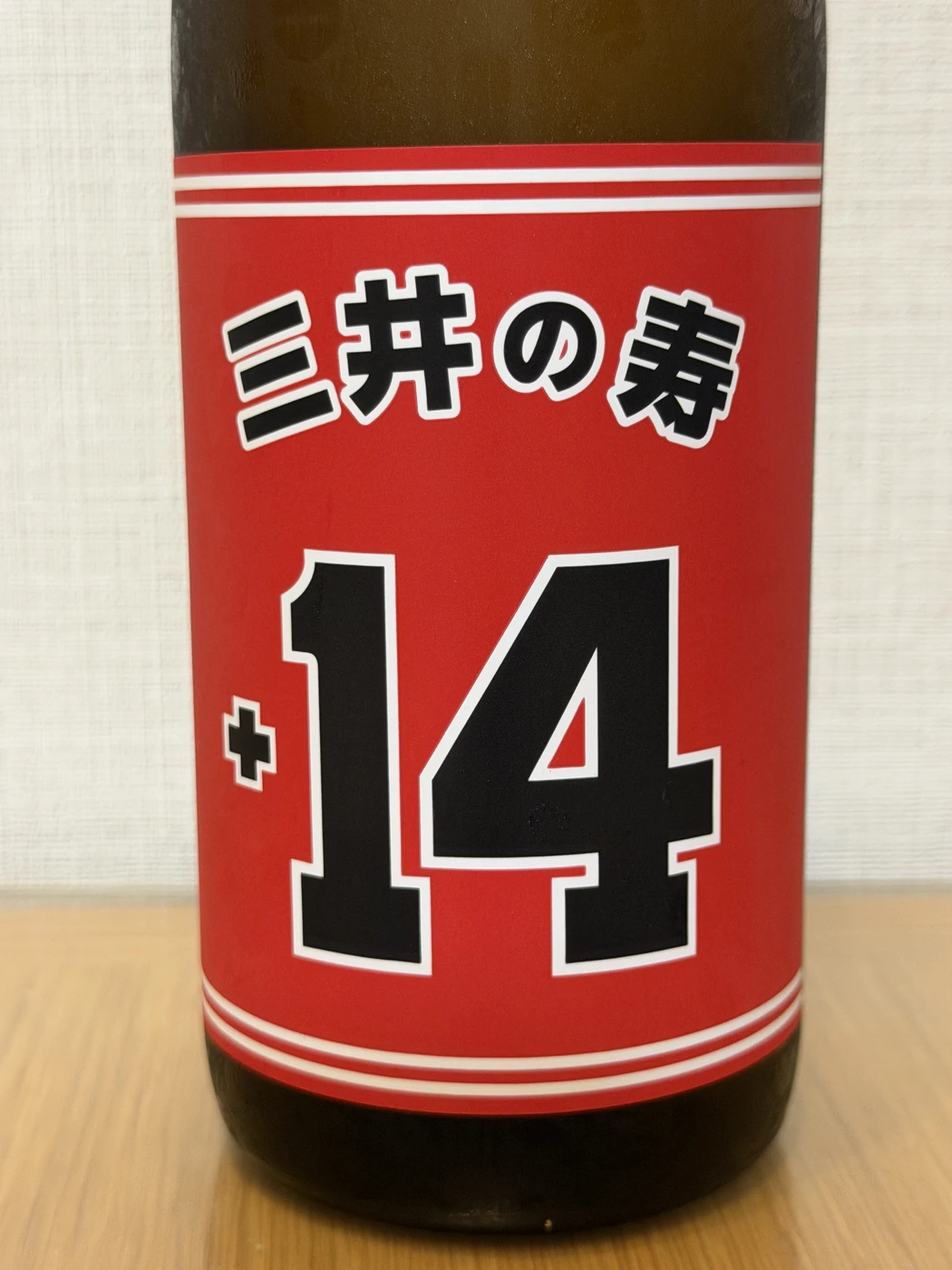
What does +14 mean on a sake label? A guide to the Sake Meter Value, what nihonshudo actually measures, and why a single number cannot explain how a sake tastes.
Aug 3, 2026
What do muroka, nama, and genshu mean? Learn how unfiltered, unpasteurized, and undiluted sake differ, using bottles I actually tasted in Japan.