What Does +14 Mean on a Sake Label? Understanding the Sake Meter Value
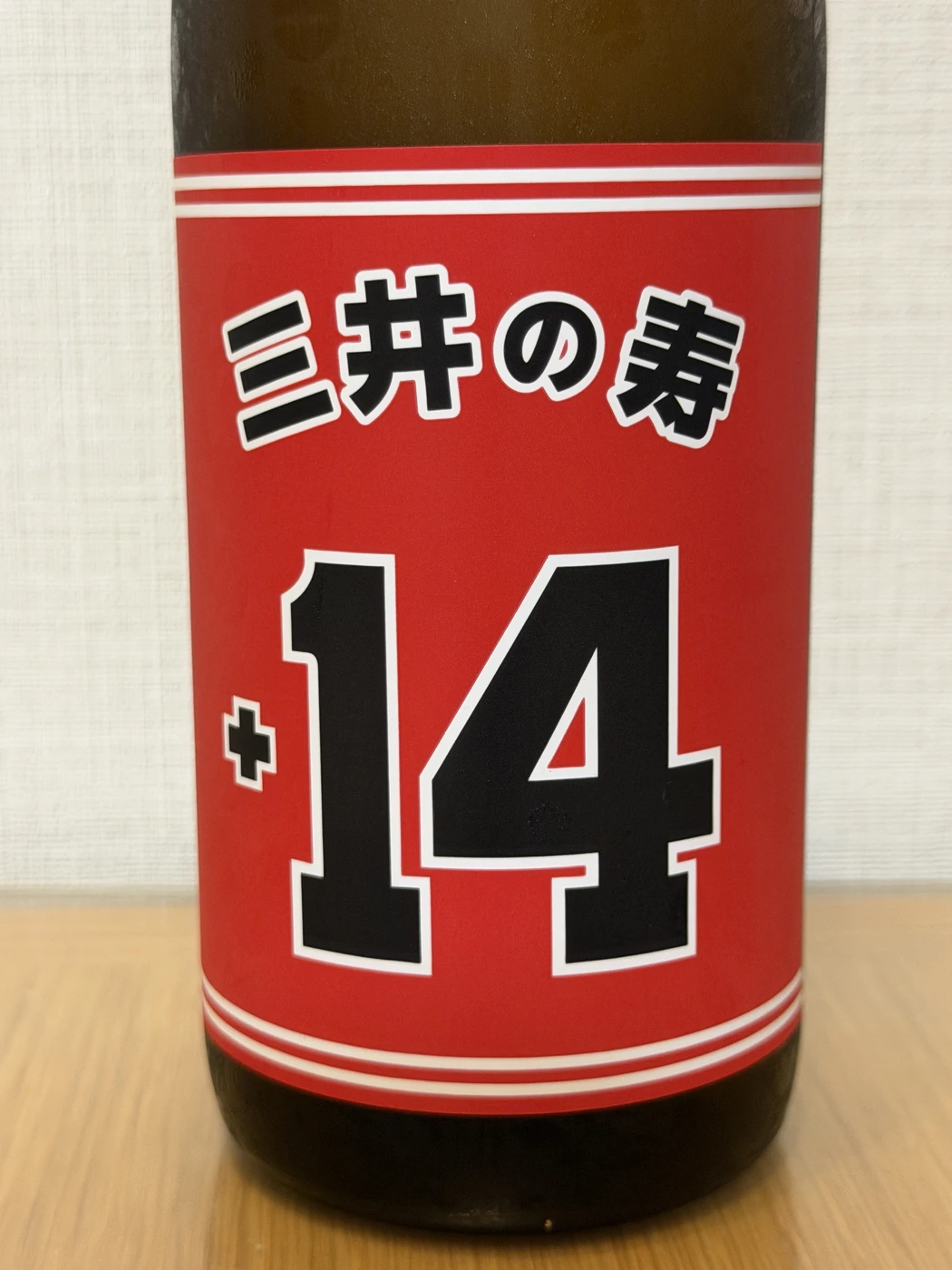
Table of Contents
A large “+14” on a sake label is hard to ignore.
I recently tasted Mii no Kotobuki Junmai Ginjo Okarakuchi +14 from Fukuoka alongside the brewery’s Junmai Daiginjo Fuku. The difference was immediate: Fuku was soft, fruity, and rounded, while +14 was sharper, drier, and much more direct.
In that sense, the number seemed to make sense.
But then I paired +14 with salty cured ham—and the sake became more balanced. I noticed more sweetness and umami, even though the number on the label had not changed.
That raised a simple question: what does +14 actually mean, and how much can a single number really tell you about how a sake tastes?
Read my full comparison tasting of Mii no Kotobuki Fuku vs +14 →
What the Sake Meter Value Measures — and What It Does Not
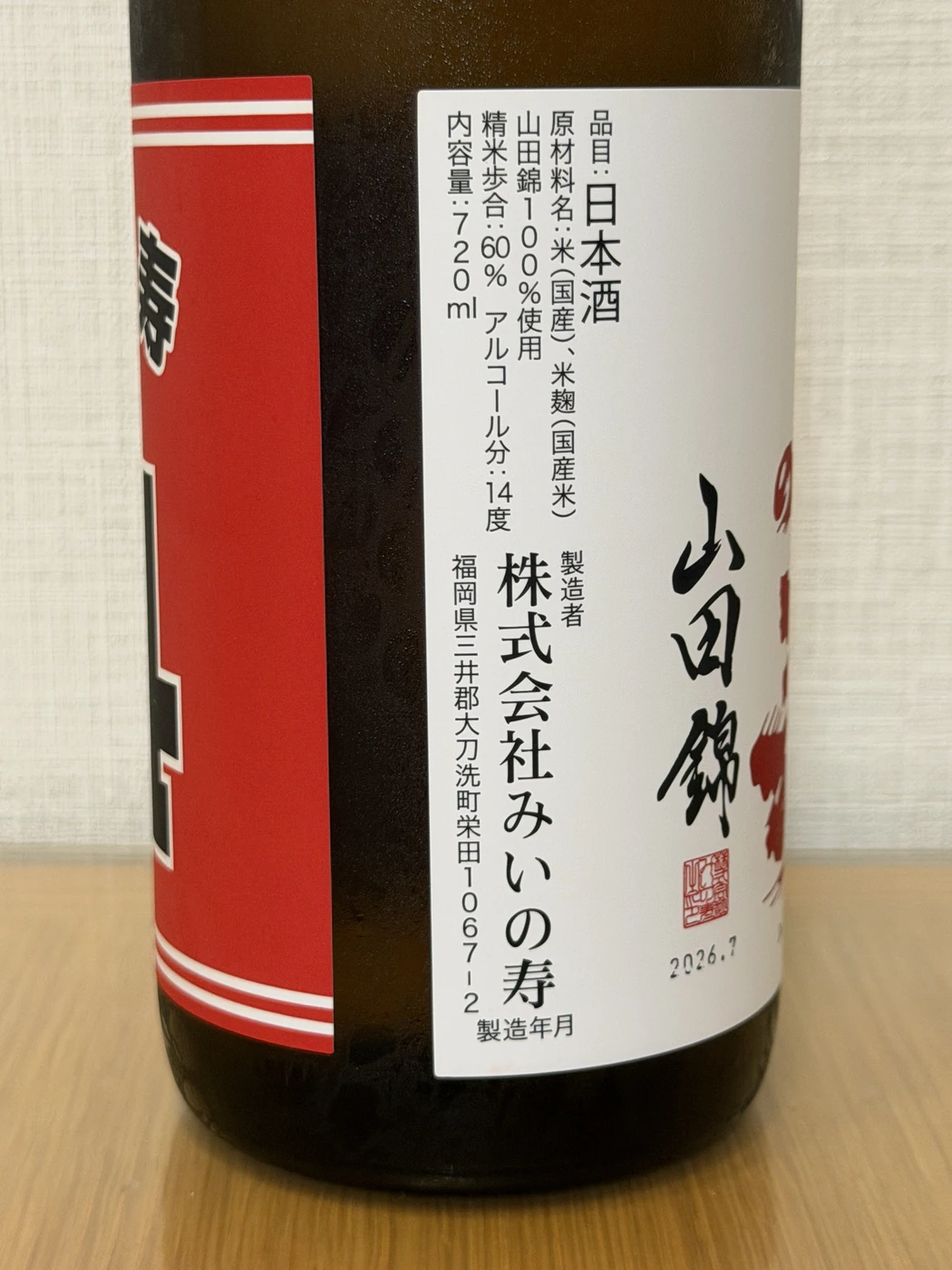
The “+14” refers to the sake’s Sake Meter Value, commonly abbreviated as SMV in English and called nihonshudo (日本酒度) in Japanese.
Nihonshudo is calculated from the specific gravity of sake relative to water. In general, dissolved sugars increase density, while alcohol lowers it. A sake with a lower specific gravity therefore tends to show a higher positive SMV, which is why positive numbers are generally associated with a drier profile.
As a general guide:
- Negative numbers suggest a sweeter profile.
- Numbers around zero sit closer to the middle of the scale.
- Positive numbers suggest a drier profile, with higher numbers indicating increasingly dry sake.
So a sake labeled +14 sits firmly on the dry side.
But nihonshudo is not a flavor score. It does not directly measure how sweet or dry a sake will taste to you—because sweetness and dryness are only part of what we experience when drinking sake.
Why SMV Alone Does Not Tell the Whole Story
Two sakes with the same Sake Meter Value can taste surprisingly different. Several factors shape the perception of sweetness and dryness beyond what the number captures:
Acidity can strongly affect the impression of dryness. A sake with noticeable acidity may feel sharper and more refreshing, while another with the same SMV but softer acidity may seem rounder.
Umami adds depth. A dry sake can still have plenty of rice-derived savoriness, making it feel substantial rather than thin.
Aroma changes our expectations. A sake with strong fruit aromas—apple, pear, melon—may seem sweeter before we even taste it. A sake with restrained aromas may feel more severe.
Temperature shifts the balance. As sake warms, aromas can become more expressive, and sweetness or umami may become easier to notice. In my comparison tasting, Fuku opened up noticeably after 30 minutes; +14 barely changed.
Food was the most interesting factor for me. The same +14 that felt quite sharp on its own became noticeably more balanced when paired with cured ham. The saltiness and umami of the food brought forward sweetness I had not perceived before.
This is why I think of SMV as a clue rather than a conclusion. It describes one aspect of the sake’s composition, but it does not describe the entire drinking experience.
Tasting +14: The Number Was Right — and Incomplete
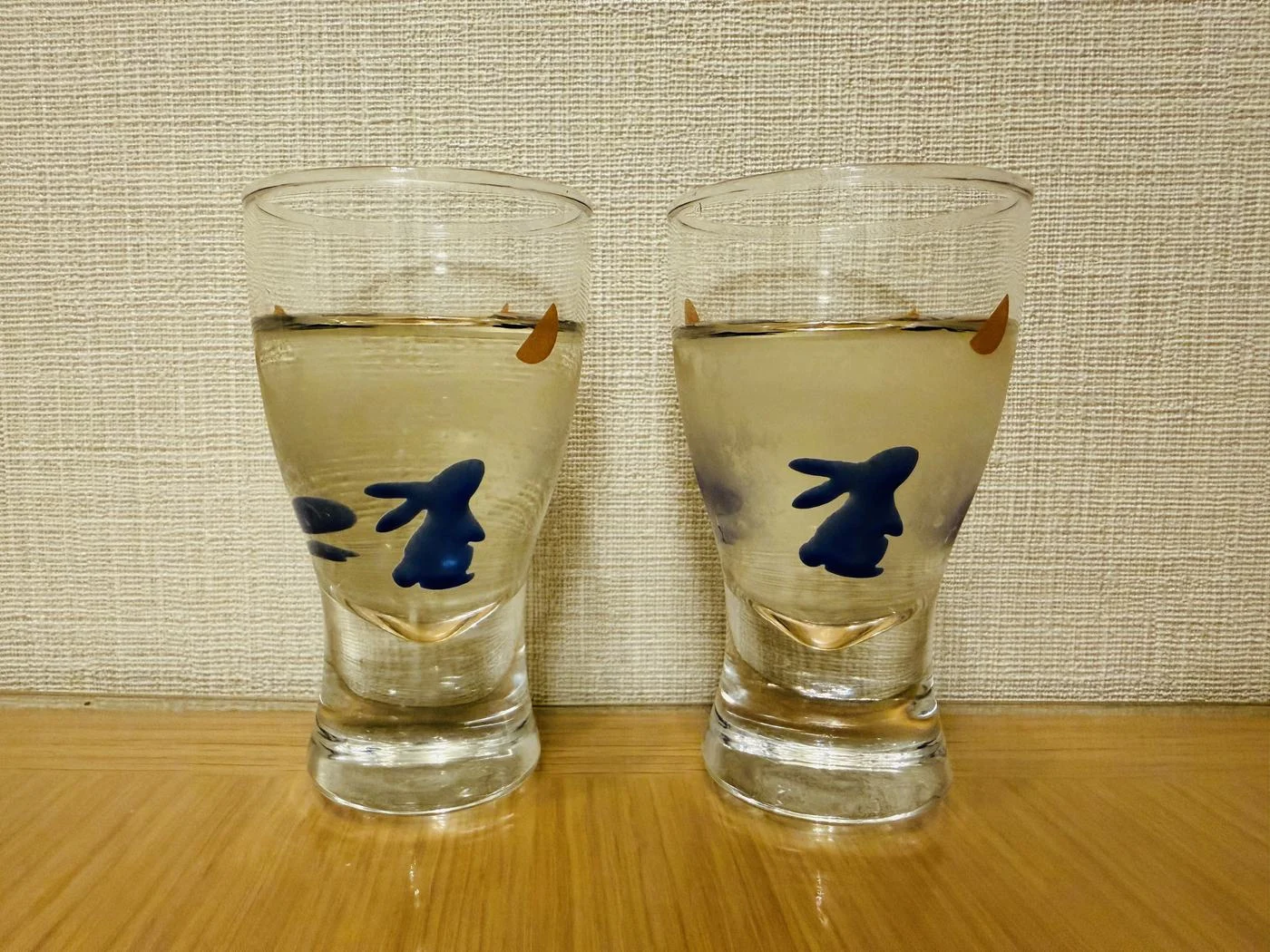
When I first tasted Mii no Kotobuki +14 chilled and without food, its dryness was obvious. There was very little perceived sweetness, the mouthfeel was sharp and direct, and the finish was extremely crisp.
Tasted immediately after the softer Fuku, the contrast was dramatic. If I had stopped there, I probably would have described +14 primarily as a very dry sake—and the number would have seemed like a complete summary.
Then I added cured ham, and the picture changed. The food pairing softened the sharpness and brought out more balance. The sake was still dry, but I began to notice sweetness and umami that had been difficult to perceive before.
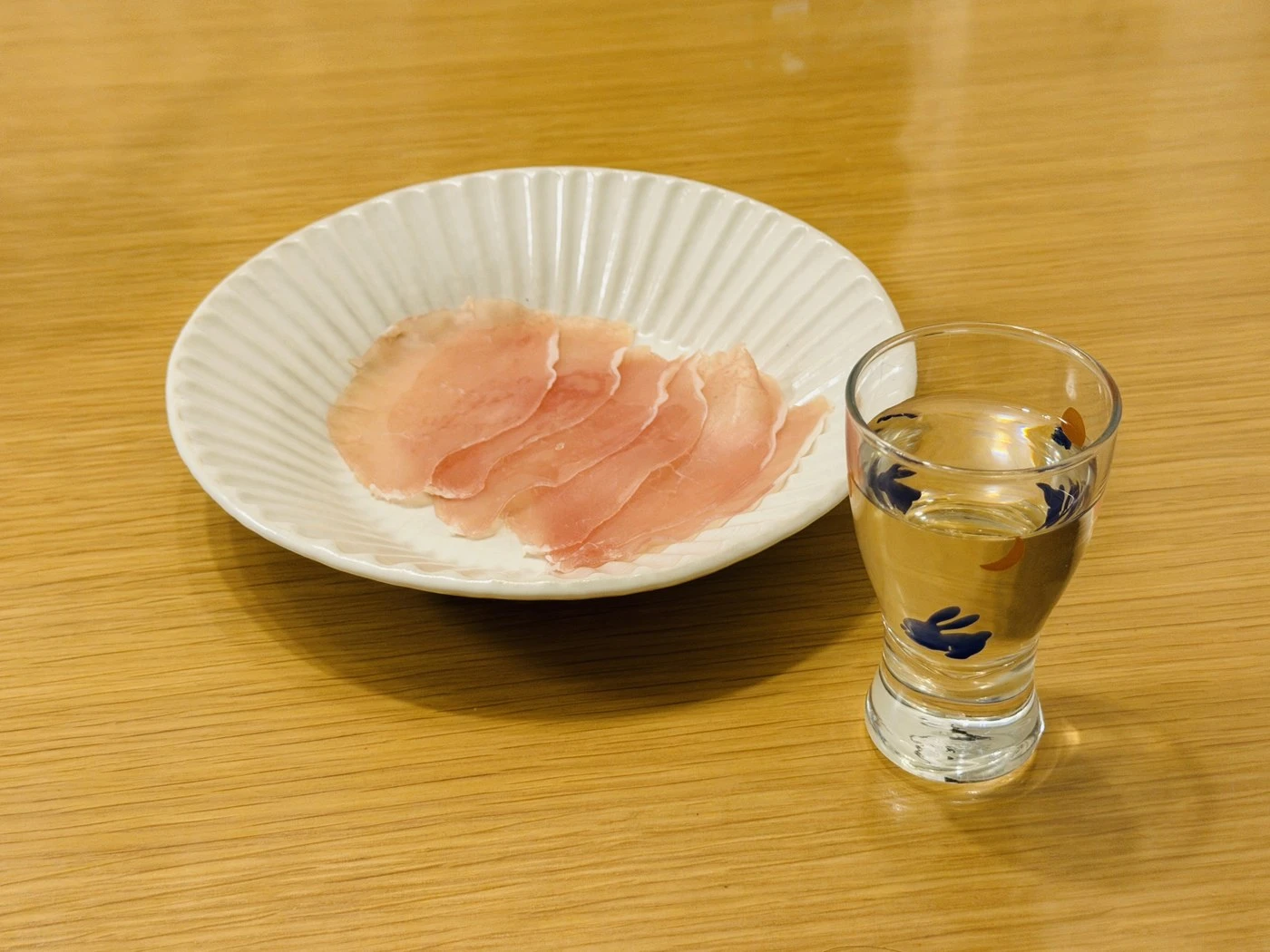
The +14 number was not wrong. But it could not tell me that part of the story.
For a detailed account of both sakes, including how they evolved over temperature and time, see the full comparison of Mii no Kotobuki Fuku vs +14 →
Common Misconceptions About SMV
+14 Does Not Mean 14% Alcohol
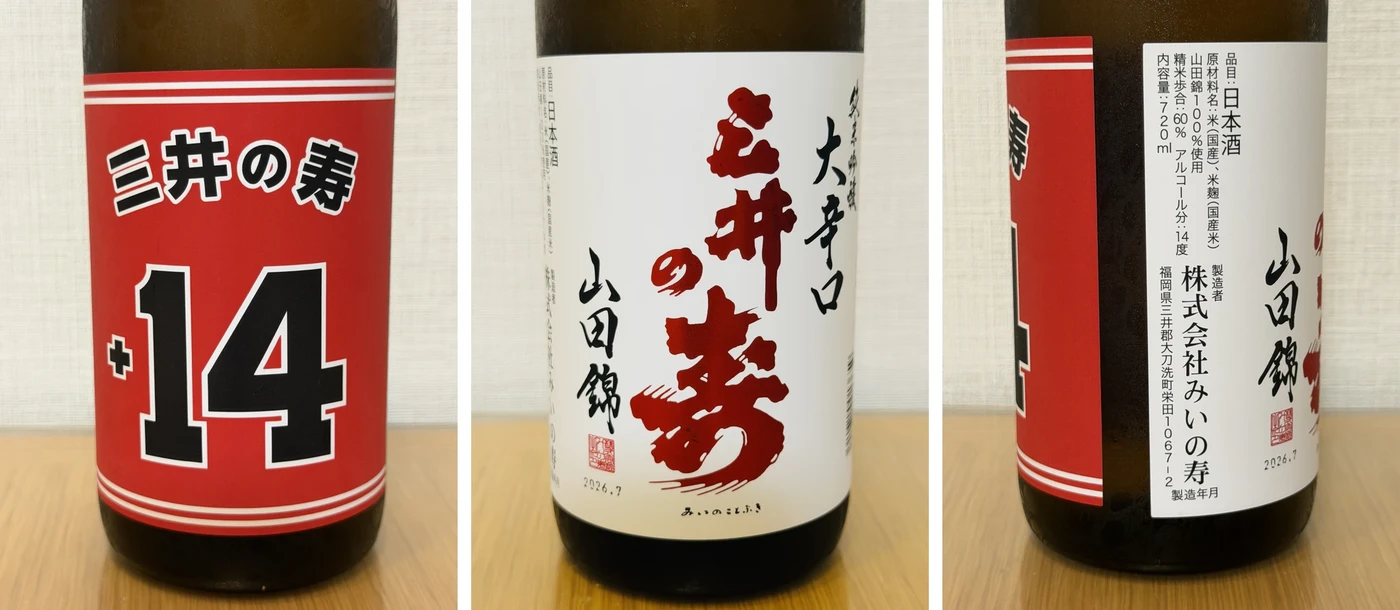
This can be confusing with a bottle like Mii no Kotobuki +14, which happens to have an alcohol content of 14% ABV. These are completely different measurements: SMV +14 refers to nihonshudo, while 14% ABV refers to the amount of alcohol in the sake.
This particular bottle has one more “14” as well. The red label is a tribute to Hisashi Mitsui from the basketball manga Slam Dunk, whose jersey number is 14. Three fourteens in one bottle—but only one of them is the Sake Meter Value.
A Higher SMV Does Not Mean Better Sake
A higher Sake Meter Value does not indicate higher quality, greater sophistication, or a more premium product. A +14 sake is not automatically better than a +5 sake, and a −5 sake is not inferior because it is sweeter. They are simply different styles.
The same applies across sake classifications. Polishing ratio, rice variety, brewing style, aroma, acidity, umami, and texture all contribute to the final experience. SMV is just one part of that picture.
Choosing and Enjoying Sake with SMV in Mind
If you see nihonshudo on a label or product description, it can be useful—especially if you already know you prefer sweeter or drier styles.
But I would not use it alone. When choosing sake, I also consider the classification, rice variety, polishing ratio, alcohol percentage, acidity if listed, the brewery’s tasting description, and any food pairing suggestions.
If a bottle says +14, you can reasonably expect a dry direction. But the more interesting question is usually: what kind of dry sake is it?
Who Might Enjoy a +14 Sake?
A very dry sake may especially appeal to people who already enjoy dry styles, prefer crisp rather than sweet flavors, drink sake mainly with meals, or want a sake that does not dominate the table.
In the case of Mii no Kotobuki +14, I found it much easier to appreciate with food than by itself. Someone new to sake may find that level of sharp dryness challenging—a softer or more aromatic sake may be an easier introduction. But for someone who enjoys dry, food-friendly sake, a +14 can be very rewarding.
Where in Japan
Mii no Kotobuki is brewed by Mii no Kotobuki Brewery in Tachiarai, Fukuoka Prefecture.
I bought both bottles at Sumiyoshi Shuhan, a sake specialty shop near Hakata Station in Fukuoka.
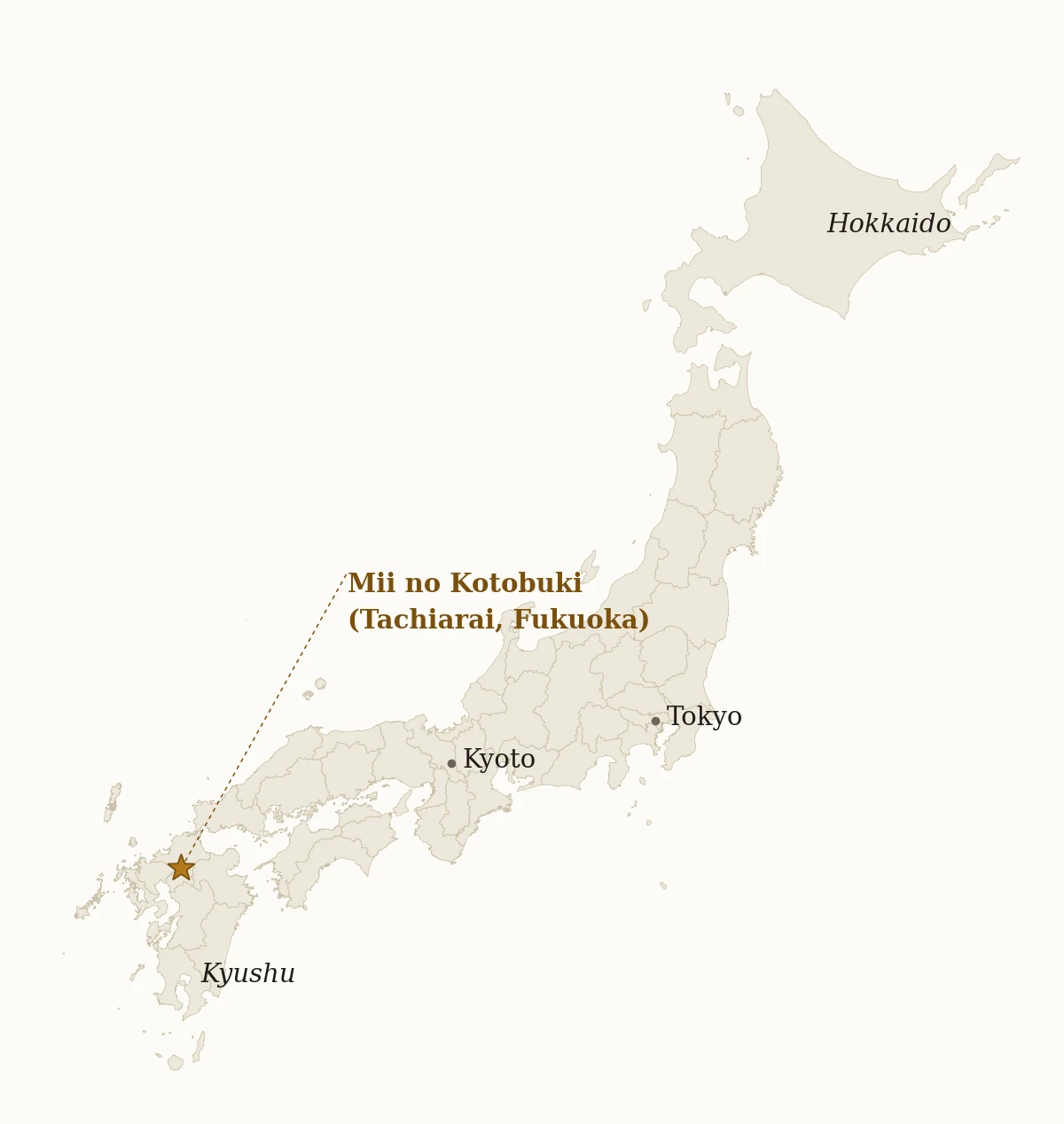
Where in Japan: Mii no Kotobuki is brewed in Tachiarai, Fukuoka Prefecture. I bought both bottles at Sumiyoshi Shuhan in Hakata, Fukuoka.
Final Thoughts
So, what does +14 mean on a sake label?
It means the sake has a Sake Meter Value of +14—a figure that places it firmly in the dry direction.
It does not mean 14% sweetness, 14% dryness, higher alcohol, or higher quality. And it cannot tell you exactly what the sake will taste like, because acidity, aroma, umami, temperature, and food all shape the experience of dryness.
Mii no Kotobuki +14 was genuinely dry when I tasted it. But it also reminded me that sake is not experienced as a number—it is experienced in a glass, at a temperature, often with food, and sometimes in ways the label alone could never predict.
The number tells you where to look. It does not tell you everything you will find.
Read my full Mii no Kotobuki Fuku vs +14 comparison →
Curious about other label terms? Read my guide to Muroka, Nama, and Genshu →
Sake is an alcoholic beverage. This article is intended for readers of legal drinking age in their country — please drink responsibly.